Building a life abroad
Making friends, handling loneliness, and building routines that survive a move. The logistics of living abroad are solvable admin — this is the part that actually breaks people.
The things people ask about before moving all turn out to be solvable admin. Visas, cost of living, internet, healthcare. The thing that actually costs you isn't on that list.
The failure mode of this life isn't running out of money or getting a visa wrong. It's year two. The people you met in year one have rotated out. You realise you built something optimised for optionality rather than depth.
Loneliness
This is the one I got wrong, and I'd rather lead with it than bury it. In my own notes: connection is the leverage I've most under-invested in. It quietly costs me across every domain. Isolation is an unhedged risk. It doesn't just cost you a social life. It removes runway for work, opportunities and health at the same time.
The structural problem is that nomad community is seasonal rather than guaranteed. Peak season is full of events and group chats. Off-season, those same chats go quiet. A city on ninety-day rotation churns its population continuously. The cost of every friendship is paid again roughly twice a year.
Year-two loneliness is one of the most common reasons people leave, and it's worth internalising early: the move fails on depth, not logistics.
How I treat network as a system
Making friends
- Weekly
- Initiate one thing. Hold one recurring container.
- Ratio
- Listen considerably more than you speak
- Monthly
- One deliberate introduction, with real context
The thing that actually works is being the one who creates the container. Whoever starts the recurring dinner, the group chat, the weekly training session becomes the point other people relate to each other through. You don't have to be the most interesting person in the room. The container does the work.
The practice is deliberately low-bar: initiate one thing a week and don't overthink the scale of it. Consistency builds the position. Production value doesn't. Saying "I'll book it" is the single most underrated move available, because most people are waiting for someone else to.
Body-based access points beat networking events for building anything real. A gym, a Muay Thai class, a yoga studio, a sauna. Repeated exposure to the same faces doing something hard together produces familiarity that no amount of coffee meetings replicates.
Social orchestration in full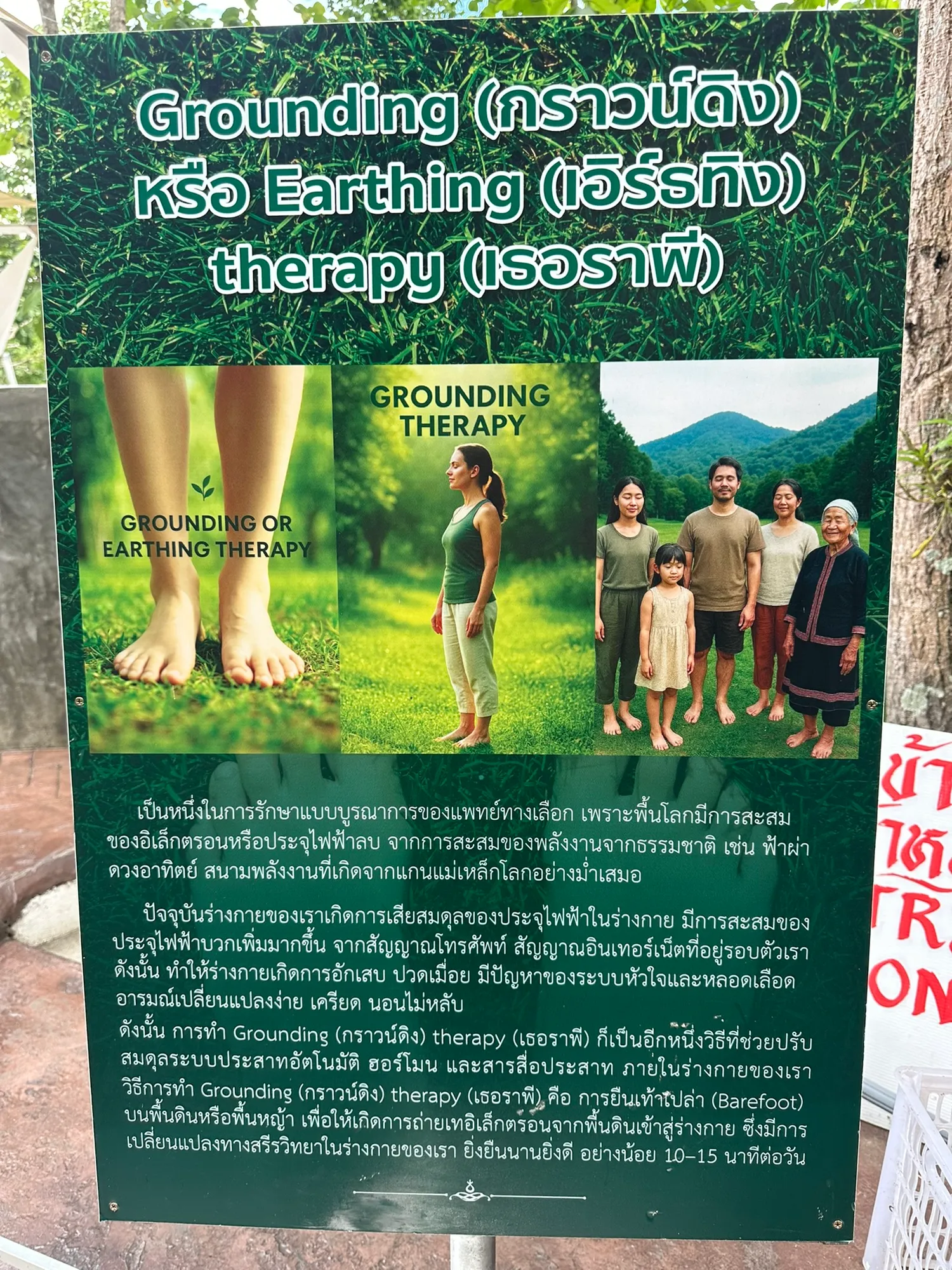
Routines
Moving abroad removes almost every external structure at once — no commute, no office hours, no standing commitments. People consistently underestimate how much of their previous discipline was scaffolding rather than character, and how fast it goes when the scaffolding does.
What replaces it has to be deliberately built. Morning light before screens. A protected deep-work block matched to your actual chronotype, not a borrowed 5am one. A training schedule with fixed days. A hard evening boundary. Those four give the week a skeleton that survives a country change.
Chronotype and deep work
Productivity
The pattern that broke me for a long time was treating the desk as the problem. It isn't — the transitions either side of a session are. Five to ten minutes of downshift before the laptop opens. One written intention before any application does. A genuine physical off-ramp at the end.
The off-ramp is the one I still skip, and its absence is exactly why sessions echo into evenings. Working from anywhere means nothing stops you working everywhere, and that's a real cost rather than a productivity feature.
The three-phase session
Long-term planning
The structure that works for me is roughly six months in Asia and six closer to home. That handles both the burn season and the tax position. The Asian half is the base. The other half is for whatever genuinely needs physical presence.
The metric underneath all of it is runway — not monthly income, but how many months you can operate without active income. Longer runway buys the ability to wait for a better opportunity and to say no. Decisions made without that cushion are systematically worse.
Why runway is the real number- First trip, 2024
China
Three weeks in Sichuan in early 2024. What China is actually like for a foreigner who does not speak Mandarin, which apps you need, and why I came back preferring Thailand.
- Base since 2023
Thailand
Thailand as a base rather than a trip. Why I chose it, what staying actually involves, what it costs, and how the rest of the country compares to the city I live in.
- The base
Chiang Mai Life
What it actually costs, where to live, what the burn season does to the year, and how the day runs. From someone based here rather than passing through.
- The kit
Tech & Digital Nomad
The gear that travels, how to handle internet and banking before you leave, and the AI tooling that makes a one-person operation work from anywhere.
- Field notes
Dating
Cross-cultural relationships, apps, and social dynamics as a foreigner in Thailand — written with a constraint most writing on this topic ignores.
- The thing I under-invested inIsolation isn't a mood, it's an unhedged risk. 5,000 cold emails returned nothing. One afternoon in a room beat all of them.
- Presence as a system, not a moodDecide your social week in advance and stop consulting your mood. Three rules that made meeting people reliable instead of occasional.
- The week that actually built a social lifeThree fixed things a week plus a co-working base. The actual Chiang Mai schedule, including the part I got wrong.
- Start the thingWhoever starts the recurring dinner becomes the person everyone connects through. The position is usually vacant, and it's admin, not charisma.