Network
Who you're around changes who you become. It gets treated as an area to work on rather than a byproduct of proximity.
Network treats who you spend time around as something to work on, not something that happens to you. It covers three tiers of relationship, how contact gets orchestrated rather than left to chance, and the communication posture that stops it turning transactional.
The default is to let the people around you happen by accident: whoever's convenient, whoever shares the coworking space, whoever you keep running into. I made it deliberate instead. That means tiering relationships by depth and maintenance cost. It means choosing which rooms to enter with some care. It means showing up often enough that actual familiarity builds rather than recognition. The practical expression is a weekly rhythm of recurring commitments and a small circle I see frequently enough to genuinely know.

Three Tiers
Not every relationship warrants the same investment. Forcing depth with everyone costs as much as neglecting everyone equally.
- Core
- Small: deep trust, regular real engagement.
- Allies
- Broader: value exchange, quarterly cadence.
- Periphery
- Wide: passive visibility, maintained by output.
- Constraint
- Bandwidth is finite and spends itself by default.
The core circle is small by design. A handful of people who directly shape how I think, what I work on, and how I read a situation. These get consistent, real investment. Not contact maintained through occasional messages. The kind of regular engagement that builds enough shared context for someone to tell you something you don't want to hear and be right.
The middle tier is broader and organised around value exchange. People who open doors, cross-pollinate ideas, or bring perspective from a domain I don't work in. The cadence here is quarterly rather than weekly. Warm enough to be real, light enough not to burn the bandwidth the core circle needs. Most people either try to run this tier at core-circle intensity and exhaust themselves. Or they let it decay and reappear only when they want something, which everyone can see coming.
The warm periphery is everything beyond that: people who follow the work, past clients, connectors, people met at events. The goal here is passive visibility rather than active cultivation. Consistent public output and a reputation for showing up maintain this tier at almost no marginal cost. That's most of the argument for publishing anything at all.
Tiering isn't a cold exercise in categorising people. It's an acknowledgement that emotional bandwidth is finite and gets spent whether or not you're paying attention. The relationships in the core circle get measurably better when that attention stops being diluted. A hundred warm acquaintances are better served by occasional genuine contact anyway.
The quality of your core circle sets the quality of your thinking. Allocate accordingly.
Social Orchestration
Whoever creates the container becomes the node. Network position comes from initiating, not from being the most interesting person in the room.
- Weekly
- Initiate one thing. Hold at least one recurring container.
- In conversation
- Three real questions, one visible logistical act
- Monthly
- One deliberate introduction, with context on both sides
- Ratio
- ~25% speaking, ~75% listening in groups
Social orchestration is a specific and learnable skill: initiating, structuring and facilitating connection without needing to perform. The insight is simple. Whoever creates the container becomes the point through which other people relate to each other. A recurring dinner, a group chat, a weekly training session. You don't have to be the most compelling person present. The container does the work.
The practice is deliberately low-bar: initiate one thing a week without overthinking it. A coffee, a session, a small dinner. The scale of any individual event is irrelevant. Treating it as relevant is the reason most people never start. Consistency builds the position over time. Production value doesn't.
Asking good questions does more than speaking well. In group settings the target is roughly a quarter speaking, three quarters listening. Questions draw people out, create the experience of being heard, and generate the information that makes you useful as a connector later. Three defaults work almost everywhere. What are you working on right now. What's been hard lately. Who should you be talking to.
Deliberate introductions are the highest-leverage move available and the most underused. Name two people, give specific context on what each is actually working on, then step back. That positions you as the quiet architecture rather than a participant who needs to be in every exchange. It compounds. The people you introduced remember who did it.
The most disproportionately powerful thing is also the smallest: saying I'll book it, I'll make the group, I'll send the invite. Most people wait for someone else. Acting first on trivial logistics creates momentum, and momentum reads as quiet authority without anyone having to claim it.
Whoever creates the container becomes the node. Initiation is the most underrated move available.

Communication Posture
How you hold yourself decides what forms. Presence, questions and structure account for most of the outcome. Phrasing accounts for less than people think.
- Presence
- Posture, pace, eye contact, a real pause before answering
- Questions
- Five defaults covering clarity, assumptions, alignment
- Structure
- Claim, reason, next action — then stop
- Ratio
- Listen considerably more than you speak
Roughly, the leverage sits in that order: presence first, questions second, verbal structure third. Most people invert it entirely. They optimise the words, neglecting how they're physically carrying themselves and whether they're genuinely listening or waiting.
Presence is transmitted before anything is said. Upright posture, stillness, deliberate eye contact, and a two-to-three-second pause before responding say more about attention and authority than any phrase does. The pause is consistently underused. It creates gravity. It signals that what follows was considered rather than reflexive. It breaks the habit of talking to fill silence rather than to add anything.
Questions do more work than statements in most rooms. Five that transfer across contexts. What do you mean by that. What are we assuming. What would change your mind. What are we optimising for. What happens if we do nothing. They address clarity, assumptions, disagreement, alignment and urgency respectively. Once internalised, they stop sounding like a script. That's the only reason they work.
Structure is what makes any of it land. State the position, give the reason, name the next action, and stop. Answers stay short unless someone asks for more. Talking past the point dilutes it. People remember the last thing said rather than the most thoroughly argued. The discipline is ending, not explaining.
The rule over all of it: talk to create clarity, not to fill space or signal that you're present. Silence isn't a gap that needs filling. When nothing needs saying, say nothing. That's considerably harder in practice than it sounds. Most people experience silence as pressure. It's the single habit that most reliably changes how a room reads someone.
Clarity beats volume. Silence builds gravity. Words spend it.
Access points
- Gym: rotating venues, low-stakes reps, varied faces.
- Muay Thai, 2–3× a week: consistent community, cultural integration.
- Yoga, 1–2× a week: calmer environment, organic connection.
- Sauna and cold plunge: shared endurance builds rapport fast.
The weekly rhythm
- Wednesday: men's group, the weekly anchor
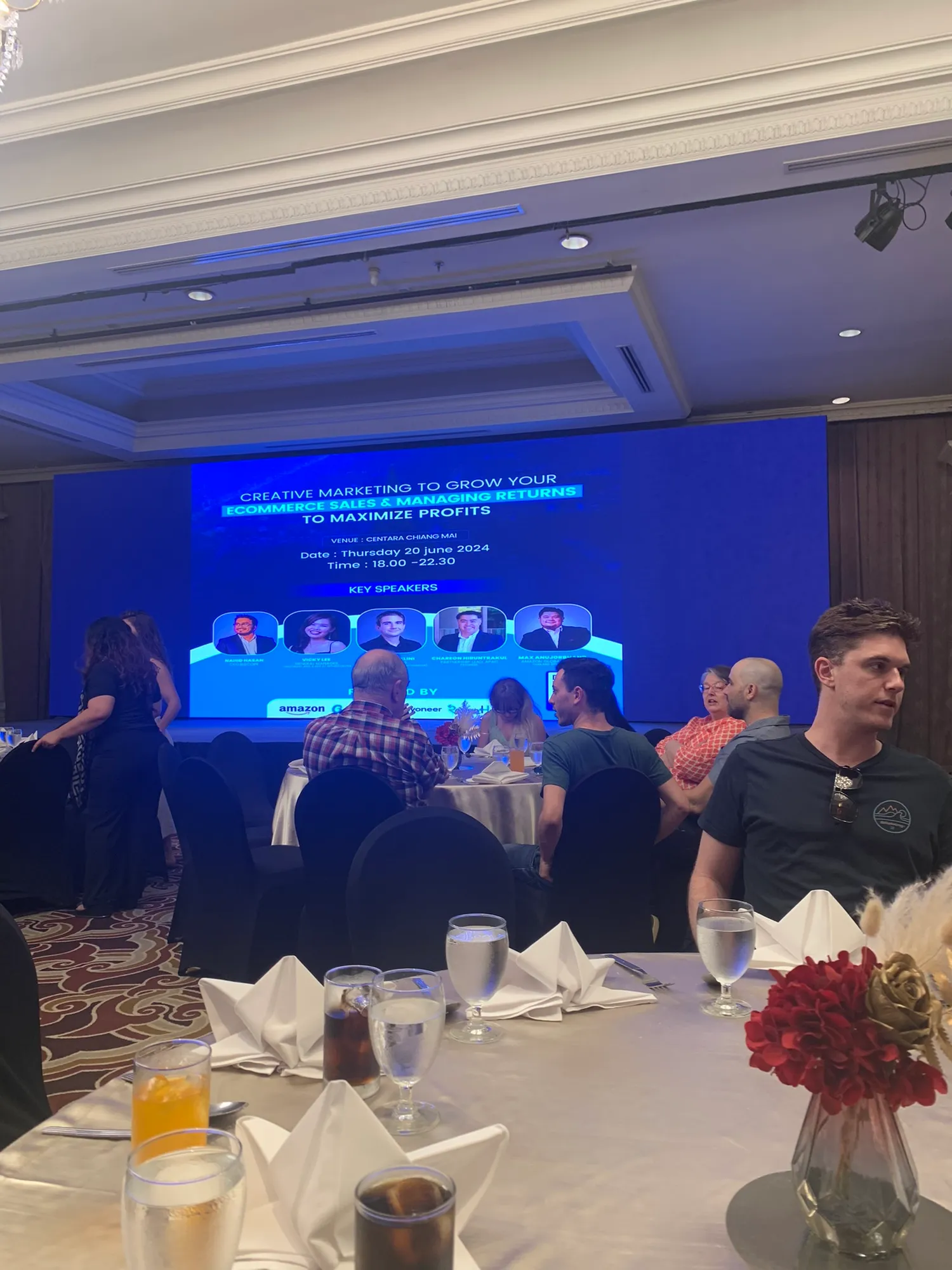
- Thursday: SEO and professional meetup
- Friday: standing 6pm social
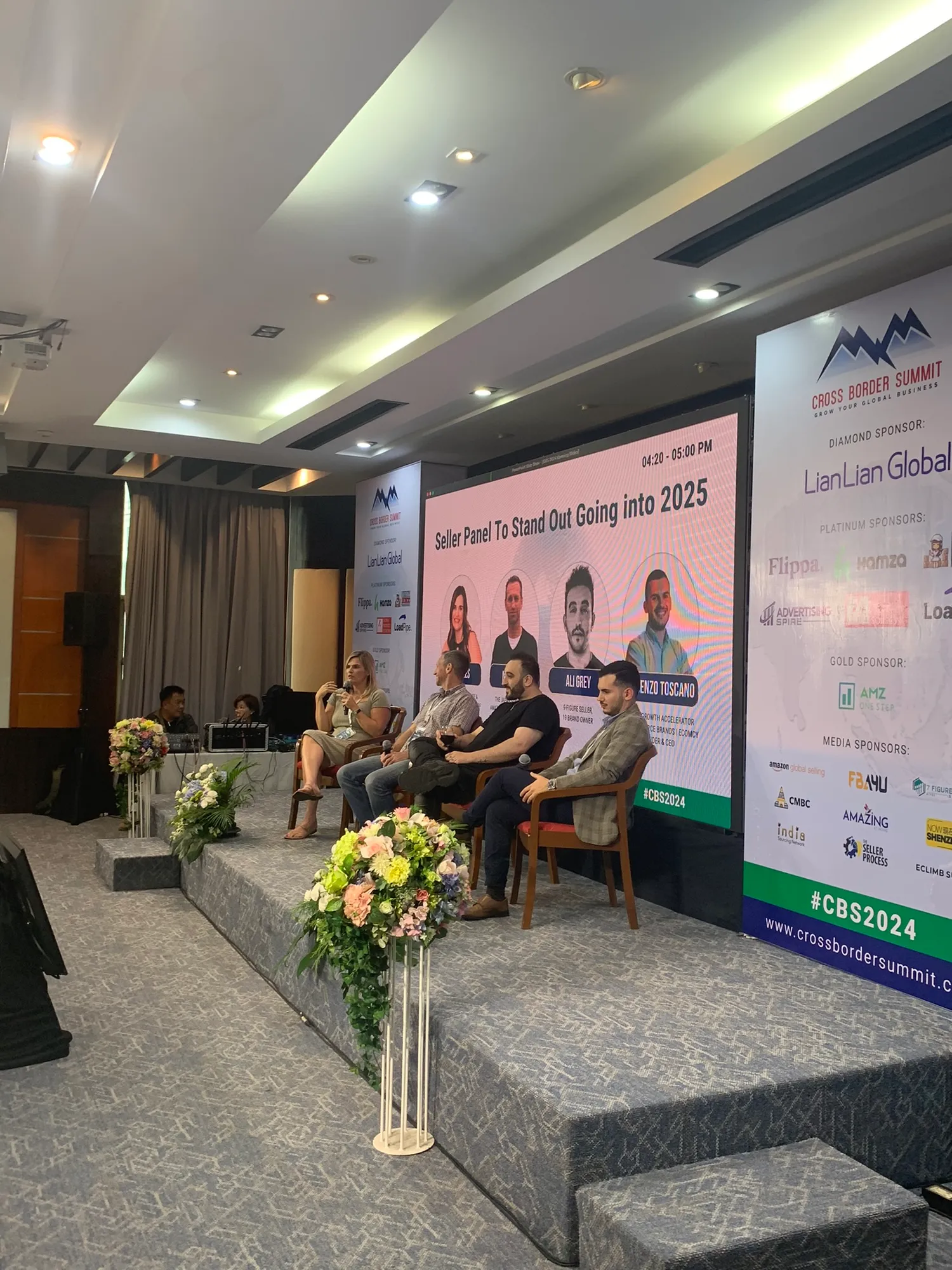
- Founder and nomad events, fortnightly
- Thai–expat language and cultural exchange, fortnightly
Maintenance
- A tiered people database with an interaction log
- A question bank, reviewed periodically
- One deliberate introduction a month
- A gift system for the core circle
Days are named, venues aren't. No names either. The people in these rooms didn't sign up to appear on my site. That distinction is theirs to hold, not mine to waive.