The ones that shifted something
Seventeen books that changed how I think, rated honestly. Plus an argument about why the way we acquire knowledge has changed more in three years than in the previous three hundred.
- 17
- Books
- 06
- Five-star
- 1yr+
- Since I read one
Why this page has an essay on it
Knowledge keeps getting shorter. Books didn't.
- ThenFind the expert. Travel to them.
- InternetFind the field. Search it yourself.
- NowFind the answer. Have it fit you.
Books have changed since we entered the AI era, and the reason isn't about books at all. It's that the distance between having a question and having the specific answer has been collapsing for centuries, and it just collapsed again — harder than it ever has.
Go back a few hundred years. Knowledge lived inside experts, and an expert was someone who had spent years studying one field. To get an answer you had to work out who that person was, physically travel to them, and hope that the thing they knew overlapped with the thing you needed. The bottleneck wasn't intelligence. It was geography.
The internet removed the travel. Anyone could transcribe what they knew and anyone could read it, and the distance between a question and a field of knowledge went to roughly zero. But it only solved half the problem. You could reliably find the right subject area — and then spend hours inside it failing to find the specific answer to your specific situation. Access improved. Precision didn't.
That's what changed. The current era isn't about access to knowledge, it's about specificity: the most exact, most relevant answer to the problem actually in front of you. And the phase we've just moved into goes further than that — knowledge that adapts to you. Not the right chapter, but the right answer for your circumstances, restated until it fits. Specific problem, specific outcome, specific actions.
So are books dead? No, and I don't think it's close. A book still does something a summary structurally cannot: it comes from the author, at length, in their own voice, with the reasoning left in. That's deeply personal and very hard to replicate — you're getting how someone thinks, not just what they concluded.
The honest weakness is that a book buries its actionables. There's a lot of fluff, and a lot of story that's genuinely valuable but isn't the thing you came for. Where AI wins is extraction: pulling the specific applicable piece out in seconds rather than across three hundred pages.
And I should be straight about my own position here rather than write this as a neutral observer. I haven't read a book in over a year. I partly blame my attention span — I read something like thousands of words a day already, and by the time I sit down with a book the appetite for more reading is gone. I don't think that's a good thing. It's just the true thing.
The ratings are mine. The summaries describe what each book argues rather than what I thought of it — most of these I read years ago, and I'd rather give you an accurate description than a reconstructed review.
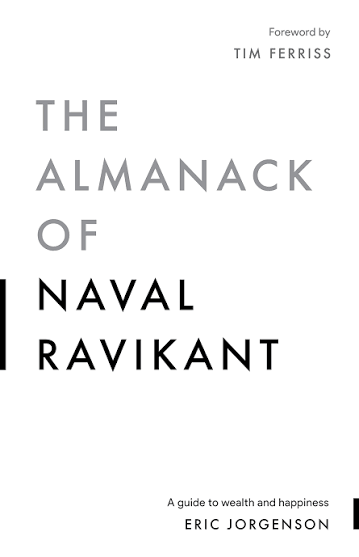
The Almanack of Naval Ravikant
Eric Jorgenson
5.0Wealth and happiness treated as a single question rather than two competing ones. Specific leverage — code, media, capital, labour — as the mechanism for escaping time-for-money, alongside a philosophy of desire and attention.
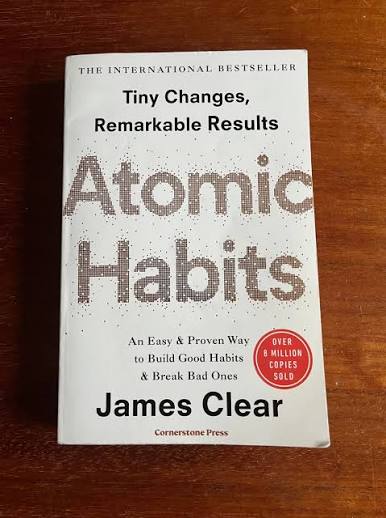
Atomic Habits
James Clear
5.0Behaviour change as systems design rather than willpower. Make it obvious, attractive, easy and satisfying — and understand that you don't rise to your goals, you fall to your systems.
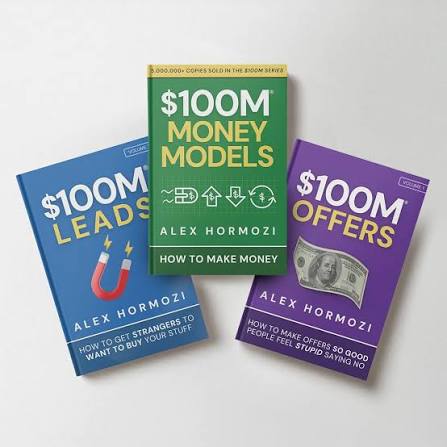
$100M Offers & $100M Leads
Alex Hormozi
5.0The most operational business books on this list. How to construct an offer so good it feels stupid to refuse, then how to get it in front of people. Almost no philosophy, almost entirely mechanics.
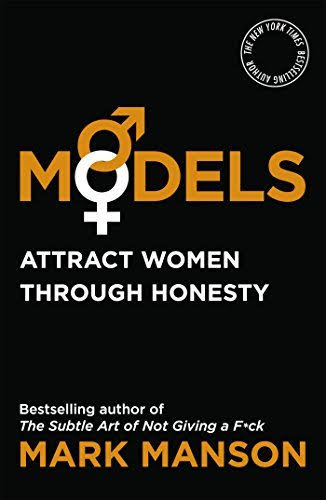
Models
Mark Manson
5.0Attraction reframed as honest vulnerability rather than technique. The argument is that becoming someone worth knowing and being straight about who that is beats any strategy built on managing another person's perception.
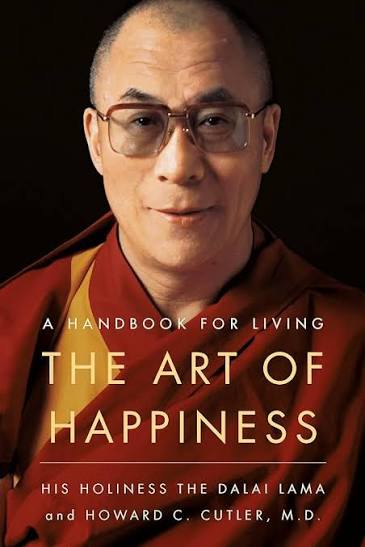
The Art of Happiness
The Dalai Lama & Howard Cutler
5.0A psychiatrist puts Western clinical questions to the Dalai Lama across several years. The recurring claim: happiness is a trainable skill rather than a set of circumstances, and most suffering is self-generated.
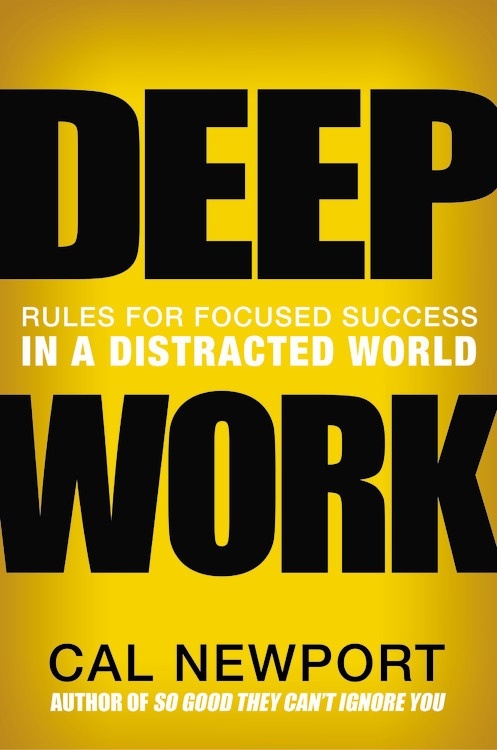
Deep Work
Cal Newport
4.5The ability to concentrate without distraction is becoming both rarer and more valuable at the same time. Newport's case is that this makes it one of the few genuinely defensible economic advantages left.
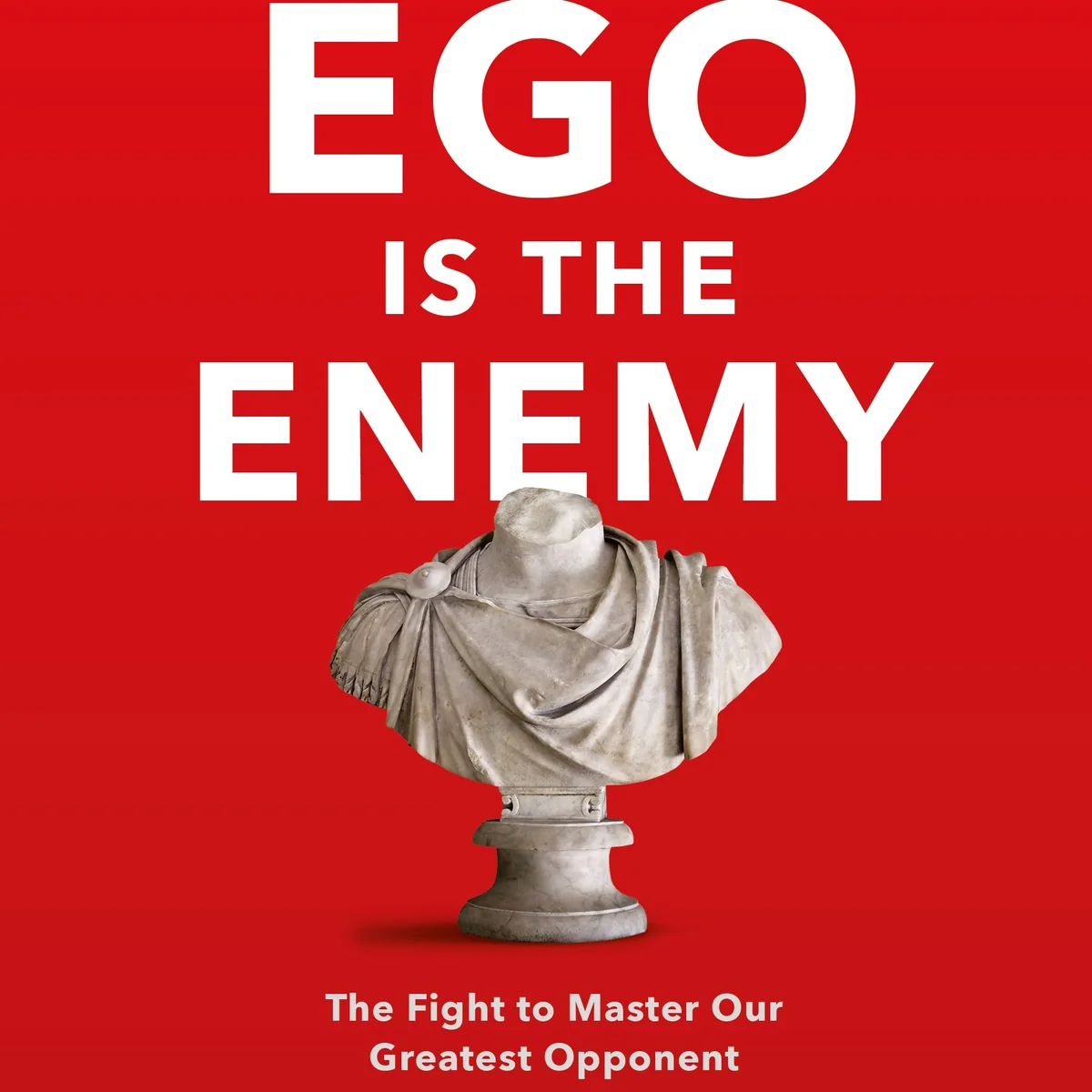
Ego Is the Enemy
Ryan Holiday
4.5Ego as the thing that sabotages you at every stage — aspiring, succeeding and failing. Stoic in its foundations, and built around the idea that the work matters more than being seen to do the work.
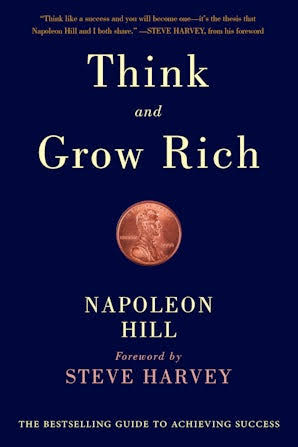
Think and Grow Rich
Napoleon Hill
4.5The 1937 original that most modern success literature descends from. Definiteness of purpose, persistence and the mastermind principle — dated in places, and foundational to nearly everything written since.
The Art of Resilience
Ross Edgley
4.5Written around swimming the entire coast of Great Britain. Part sports science, part stoicism, and mostly an investigation of what the mind does to the body when the body has run out of reasons to continue.
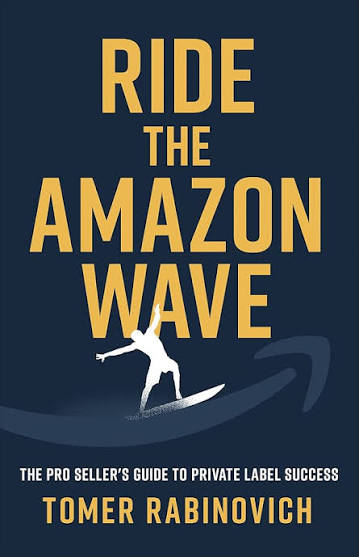
Ride the Amazon Wave
Tomer Rabinovich
5.0A practical guide to building an Amazon FBA business — sourcing, private label, listings and scaling. Directly relevant to the first business I actually started, and honest about the operational reality of it.
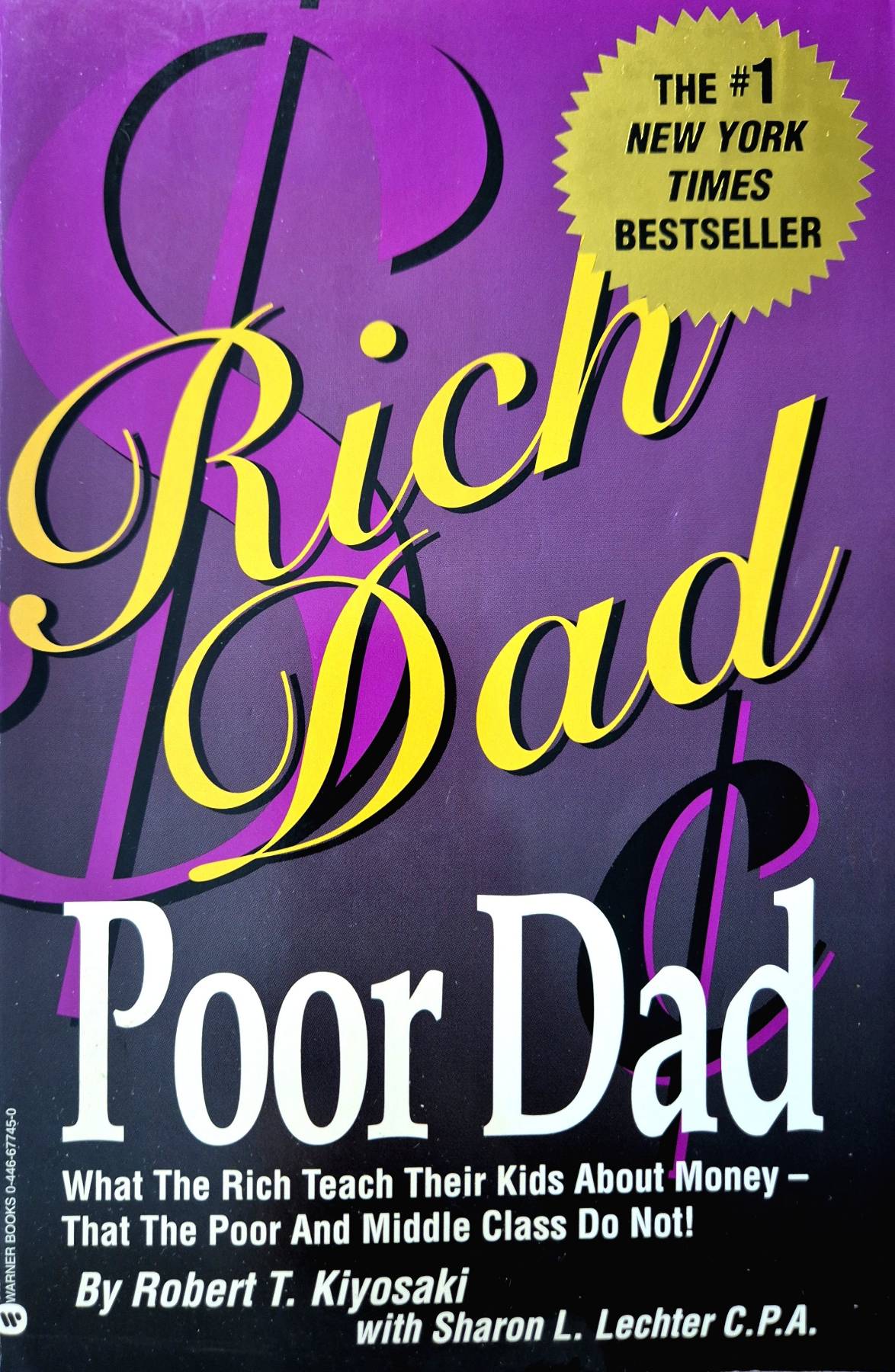
Rich Dad Poor Dad
Robert Kiyosaki
4.0The book that reframes assets and liabilities for most people who read it, usually young. Thin on specifics and heavy on parable, but the central distinction — buy things that pay you — does its job.
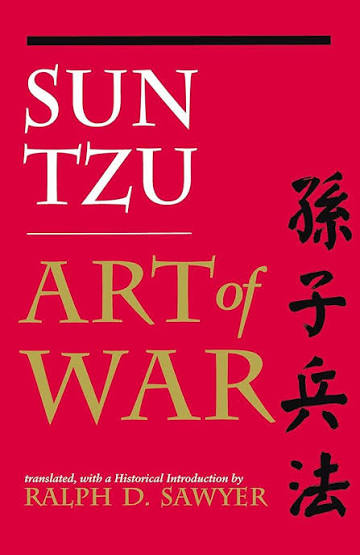
The Art of War
Sun Tzu
4.0Two and a half thousand years old and still the cleanest text on strategy as positioning. Win before engaging, know both sides, and treat the terrain as more decisive than the fighting.
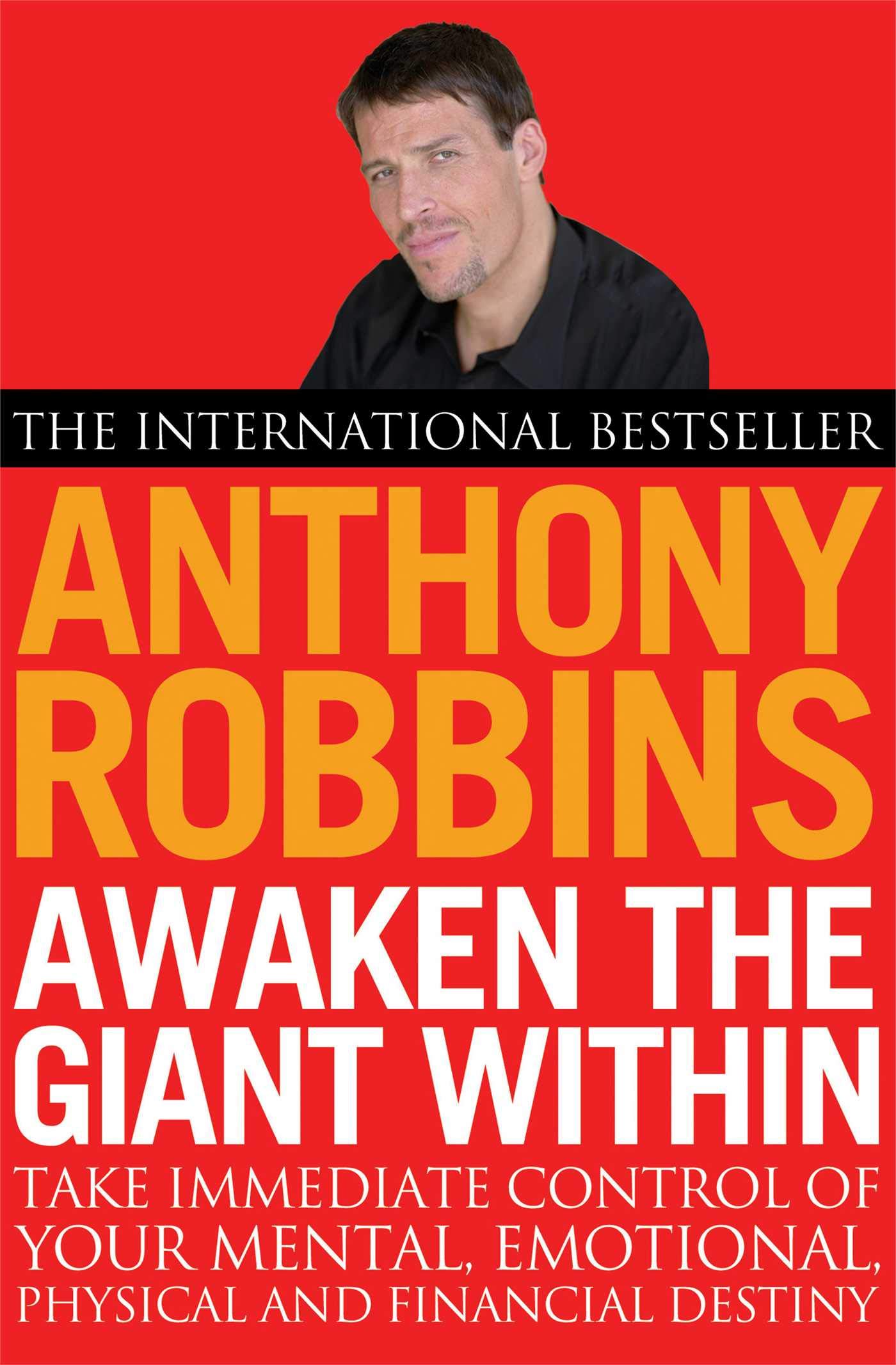
Awaken the Giant Within
Tony Robbins
4.0Decision-making, standards and state control at considerable length. The useful core is that the questions you habitually ask yourself shape what you notice and therefore what you do.
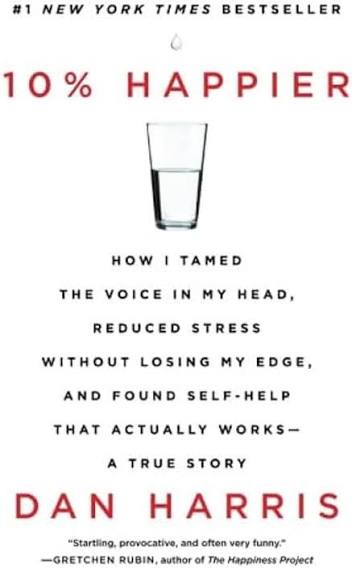
10% Happier
Dan Harris
4.0A sceptical news anchor arrives at meditation via an on-air panic attack. The value is the resistance — it argues the case to someone who finds the whole thing faintly ridiculous, which is most people.
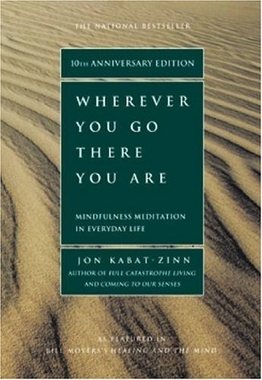
Wherever You Go, There You Are
Jon Kabat-Zinn
4.0Mindfulness stripped of mysticism and presented as attention training you can do anywhere. Short chapters, no system to buy into, and the foundational text for the secular end of the practice.
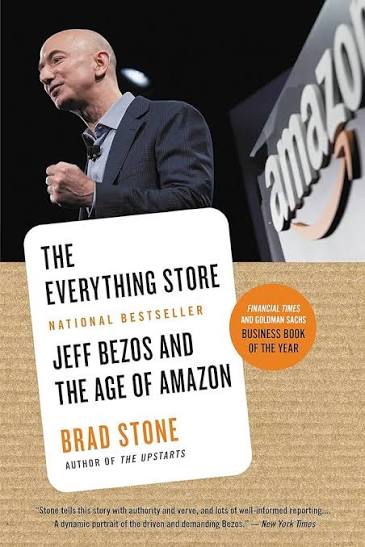
The Everything Store
Brad Stone
4.0The definitive account of how Amazon was actually built, including the parts that aren't flattering. Worth reading as an operator rather than a fan — the decisions are the interesting bit, not the outcome.
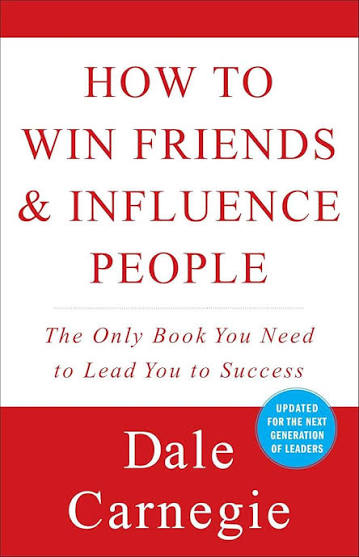
How to Win Friends and Influence People
Dale Carnegie
3.5The 1936 book that invented the genre. The principles hold up — genuine interest in other people, remembering names, avoiding argument — but the framing has aged and much of it is now common sense precisely because of this book.
A different medium doing a different job. These aren't on the list above because they aren't trying to teach me anything — they're the only long-form reading I've kept up, and the visual half is doing as much work as the writing.
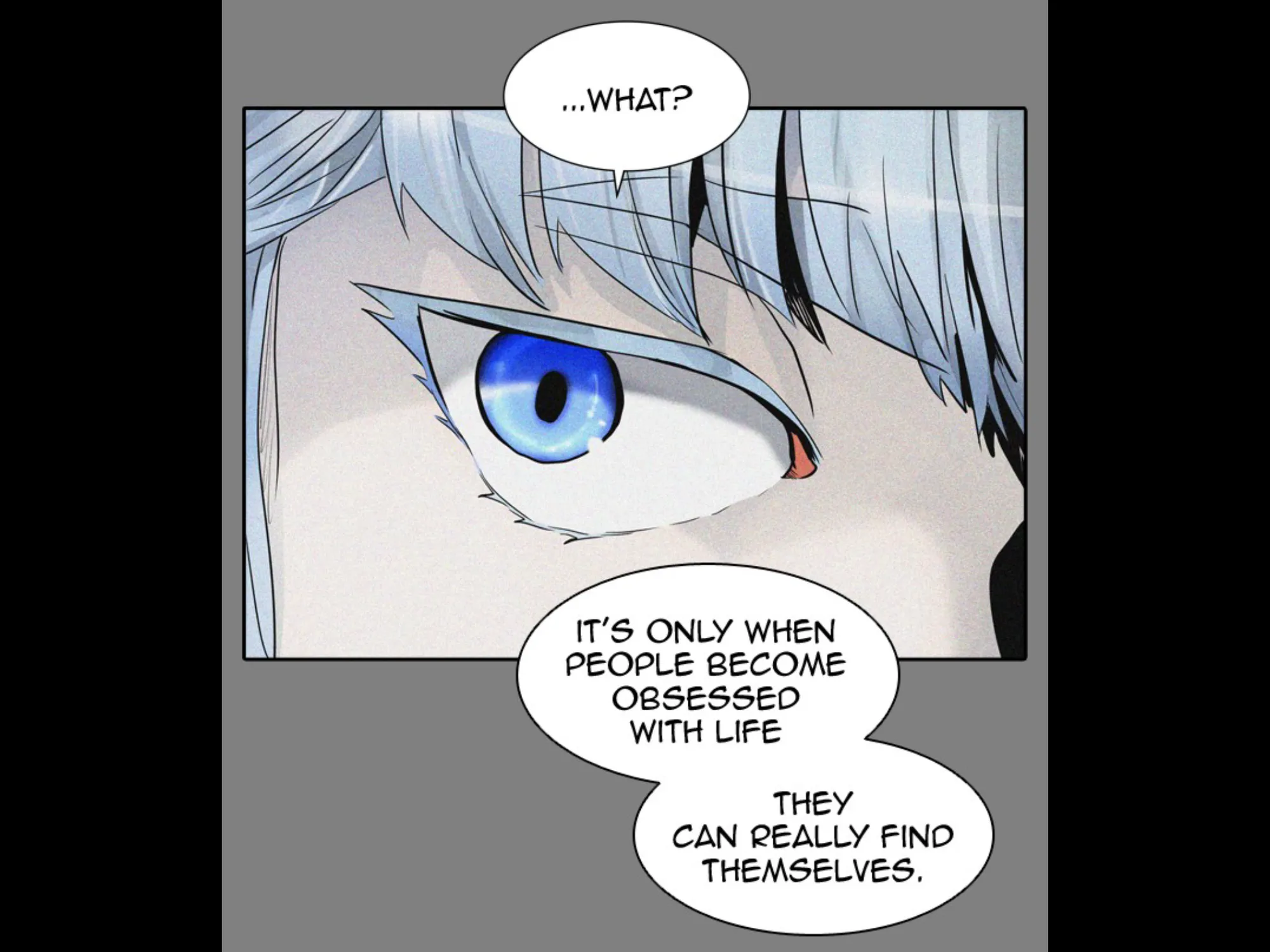

Tower of God
SIU
5.0A boy enters a tower that grants anything to whoever reaches the top, chasing the girl who climbed it without him. Each floor is a test, and the real subject is the politics and power structures that form around a system designed to sort people.
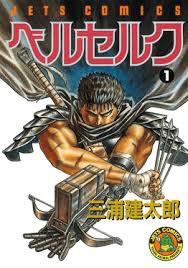
Berserk
Kentaro Miura
5.0Dark fantasy following a lone swordsman through the consequences of ambition and betrayal. The artwork is among the most extraordinary anyone has produced in the medium, and it earns its brutality rather than trading on it.
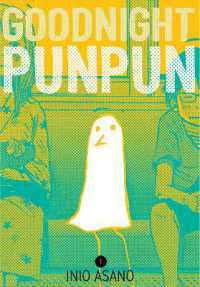
Oyasumi Punpun
Inio Asano
5.0One boy's life from childhood into adulthood, drawn as a crude cartoon bird against photorealistic backgrounds. Formally inventive and genuinely bleak — it uses the gap between how it looks and what it depicts as the whole point.