AI Systems & Workcraft for Entrepreneurs | LachlanCB
Television

The shows that stuck

Around 60% of the IMDb Top 250 TV list watched, and far too much of one life spent doing it. The ones that actually changed something, and the rule I use to avoid re-watching anything.

~60%
of the IMDb Top 250 TV
times through Breaking Bad
5 years
before any re-watch

On picking a favourite

Three answers, depending on which question you're asking.

Person of Interest poster artwork
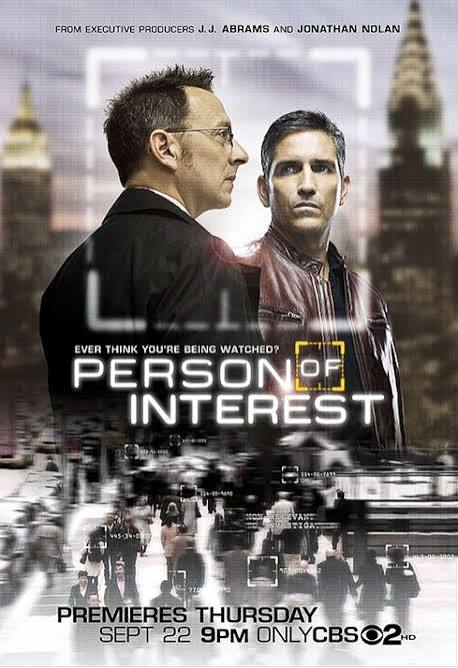
Person of Interest — the one I'd defend hardest, and the one that turned out to be right.

Television has a different problem to film. A great film asks two hours of you; a great show asks forty, and gets to build something a film structurally cannot — time spent with a person until you know how they'd react before they do. That's the trade, and it's why the ones that land tend to land harder.

I'm working through the IMDb Top 250 TV list the same way I've worked through the films, and I'm at roughly 60% — which represents an amount of my life I'm not going to defend. I make an effort to finish things, but I'll happily watch three seasons of something and stop when it stops earning the hours.

Asked for my favourite I give three different answers, and I've stopped trying to reconcile them. There's the one that objectively deserves the top slot, the one I enjoyed the most, and the one I'd defend hardest against a room. They're not the same show and I don't think they should be.

The re-watch rule

Five years, or not at all.

I don't re-watch things. It's close to a principle rather than a preference — a second viewing of something I still remember feels like spending a finite resource on an experience I've already had.

The exception has a number attached. Roughly five years, because that's about how long it takes for my memory of something to degrade in the right way. Not gone — degraded. I'll remember the shape of it and a handful of scenes with real clarity, and have genuinely lost the connective tissue in between.

That gap is the whole point. Enough is missing that the thing can surprise me again, and enough remains that I can see what five-years-ago me noticed and what he walked straight past. The second viewing ends up being as much about the gap between the two viewers as about the show.

The ones that stuck · 12
Person of Interest poster artwork
01Favourite of all time

Person of Interest

Jonathan Nolan · 2011–2016

The one that aged into relevance

My favourite of all time, and the case for it has got stronger every year since it finished. It started as a procedural and quietly turned into a show about a machine intelligence with goals, constraints and a conflicting counterpart — questions about alignment, surveillance and what you'd actually build if you could, worked through as drama rather than as a thought experiment.

It was made around fifteen years ago and it reads now like a documentary filmed early. The Machine is an artificial general intelligence built on total surveillance, and the show's actual subject is the question everyone is arguing about right now: what happens when the thing is smarter than you, and what constraints do you build in before you switch it on. Its creator deliberately crippled it — memory wiped daily, output restricted to a single number — specifically so it could never become something he couldn't control.

Then it gives that system a rival built by people who took the opposite view and shackled nothing. Two superintelligences with different value loading, competing for the same world. That's the alignment debate, dramatised, years before it was a mainstream conversation. Nearly everything the show was reaching for has since become ordinary furniture of the present, and it got there first while being packaged as network television about two men and a dog.

The design is what I keep coming back to. It committed to its premise completely — the interface, the constraints on what the machine could say, the rules it had to obey — and never cheated them for plot convenience. Very little science fiction holds a system that rigorously.

It dramatised the alignment problem years before it was a mainstream conversation — as a network procedural. Almost nobody noticed.
Breaking Bad poster artwork
02The best

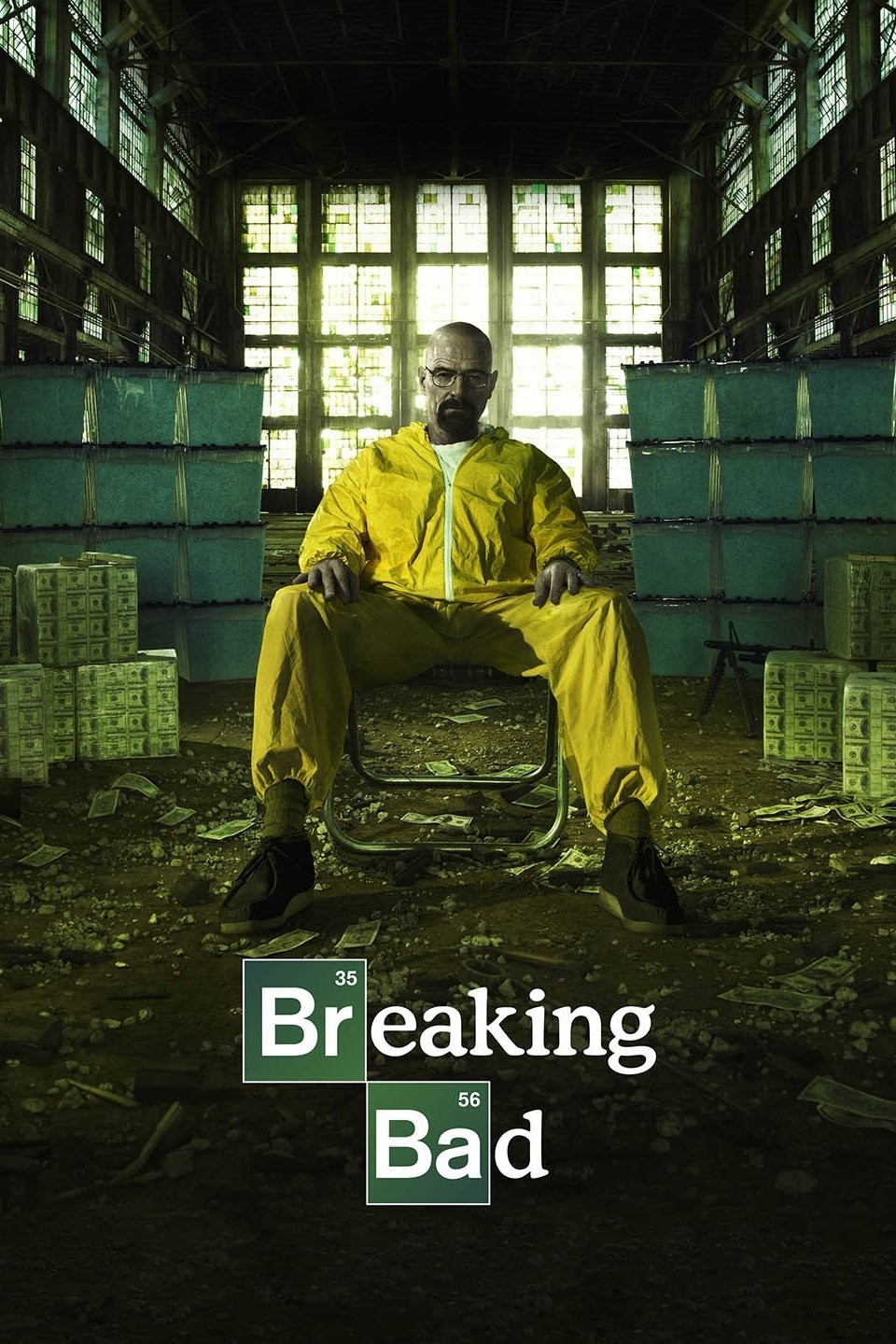
Breaking Bad

Vince Gilligan · 2008–2013

First watched on release, three times through since

The one that deserves the top of every list it sits at the top of. I've been through it three times now, which given my views on re-watching says something on its own — the first time on release, watching it with my brother, and twice since.

What holds up across three viewings is that it never takes a shortcut with the transformation. There's no episode where the character becomes someone else; there's a chain of individually defensible decisions that arrives somewhere indefensible, and you're implicated in every step because you understood each one at the time.

It's also the clearest demonstration of what the format can do that film can't. That change needs sixty hours. Compressed into two it would be a different and much smaller story.

A chain of individually defensible decisions arriving somewhere indefensible.

Dexter poster artwork
03The one I loved most

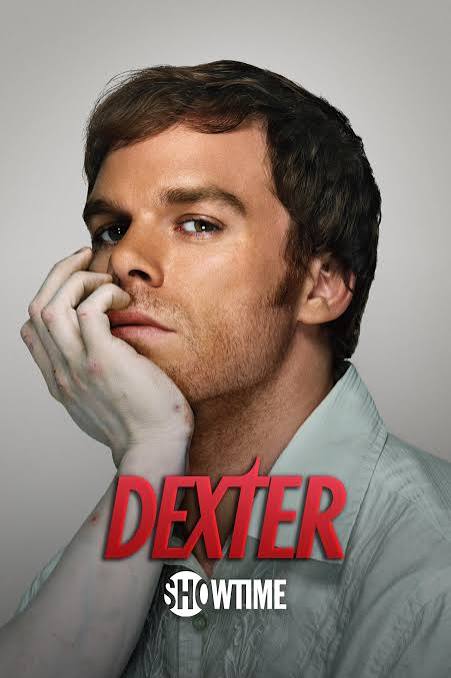
Dexter

Showtime · 2006–2013

Pure enjoyment

If the question is which show I enjoyed the most rather than which is best, it's this one. Completely likeable, which is an absurd thing to say about the character and is exactly the achievement — the quirks, the internal narration, the code, the ordinary-office-colleague life running alongside.

The development is what carries it. You spend years with someone constructing an elaborate architecture to hold a thing about himself he can't change, and the show is genuinely interested in whether that architecture is working rather than in whether you approve of it.

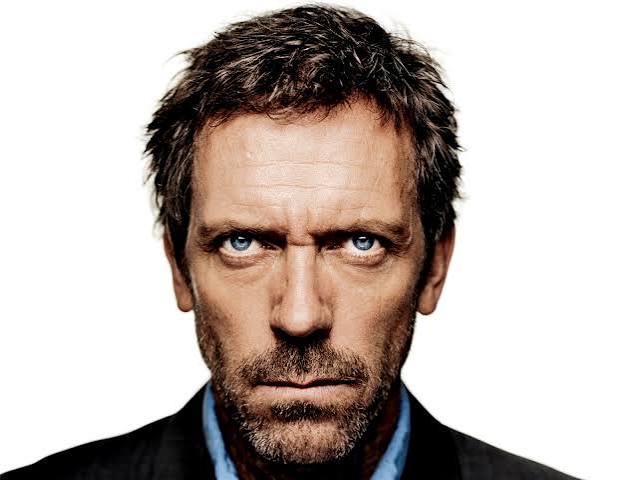
House MD artwork
04

House MD

2004–2012

My first identity shift

The first time a character changed who I was rather than just what I thought. I fell in love with House as a person to be, which at that age is a different experience to admiring someone — I came away carrying his energy around with me for a long stretch, trying it on in conversations where it absolutely did not belong.

Two things did it. The problem-solving itself, treating a diagnosis as a puzzle with a hidden variable and refusing to accept the obvious answer until it survived being attacked. And the manner of it — the charisma, the refusal to be pleasant when pleasant wasn't useful, the total confidence in his own read against a room of people who disagreed.

It's completely fictional and I know that now in a way I didn't then. Nobody is right that often, and the version of that personality without the genius attached is just someone difficult. But it was my first real experience of watching a character and deciding to become more like him, and that mechanism — the thing this whole page is about — I learned here first.

The first time a character changed who I was, rather than just what I thought.

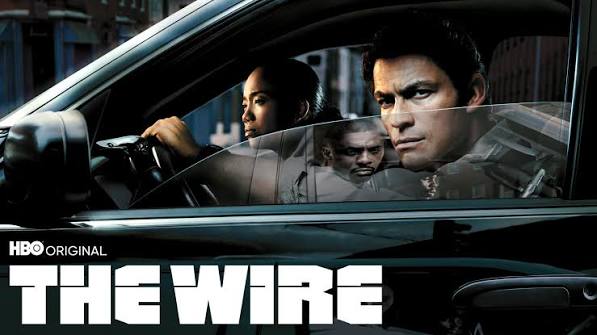
Still from The Wire
05

The Wire

David Simon · 2002–2008

The honest one

Awesome, and brutally honest about its characters in a way almost nothing else manages. Nobody in it is a device. People are compromised, competent, self-interested and occasionally decent in the same scene, and the show refuses to sort them into the categories you'd find comfortable.

It's also the clearest thing I've watched about institutions — how they shape the behaviour of the people inside them, and how little individual virtue survives contact with a system that rewards something else. That idea has stayed with me well beyond the show.

Nobody in it is a device.

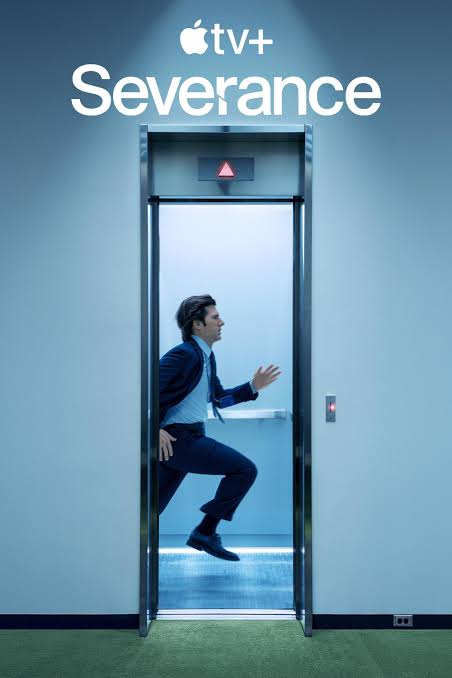
Severance poster artwork
06

Severance

Ben Stiller · 2022–

The one that got me emotionally

This hit me harder emotionally than a thriller has any business doing. The premise is clean enough to explain in a sentence — a procedure that splits your work self from your home self so neither remembers the other — and the show spends its time on the thing that premise actually implies, which is that you have created a person who exists only inside a building and has no idea anything else is available.

What got me was the marriage. Mark's wife Gemma, played by Dichen Lachman, is the absence the whole show is built around, and my feelings ended up completely tangled in that relationship rather than in the mystery. Lachman does an enormous amount with very little screen time — a lot of it in a register where she isn't allowed to be recognised.

It's a thriller and a good one. But the reason it stayed with me is that it's about grief wearing a corporate uniform.

Grief wearing a corporate uniform.

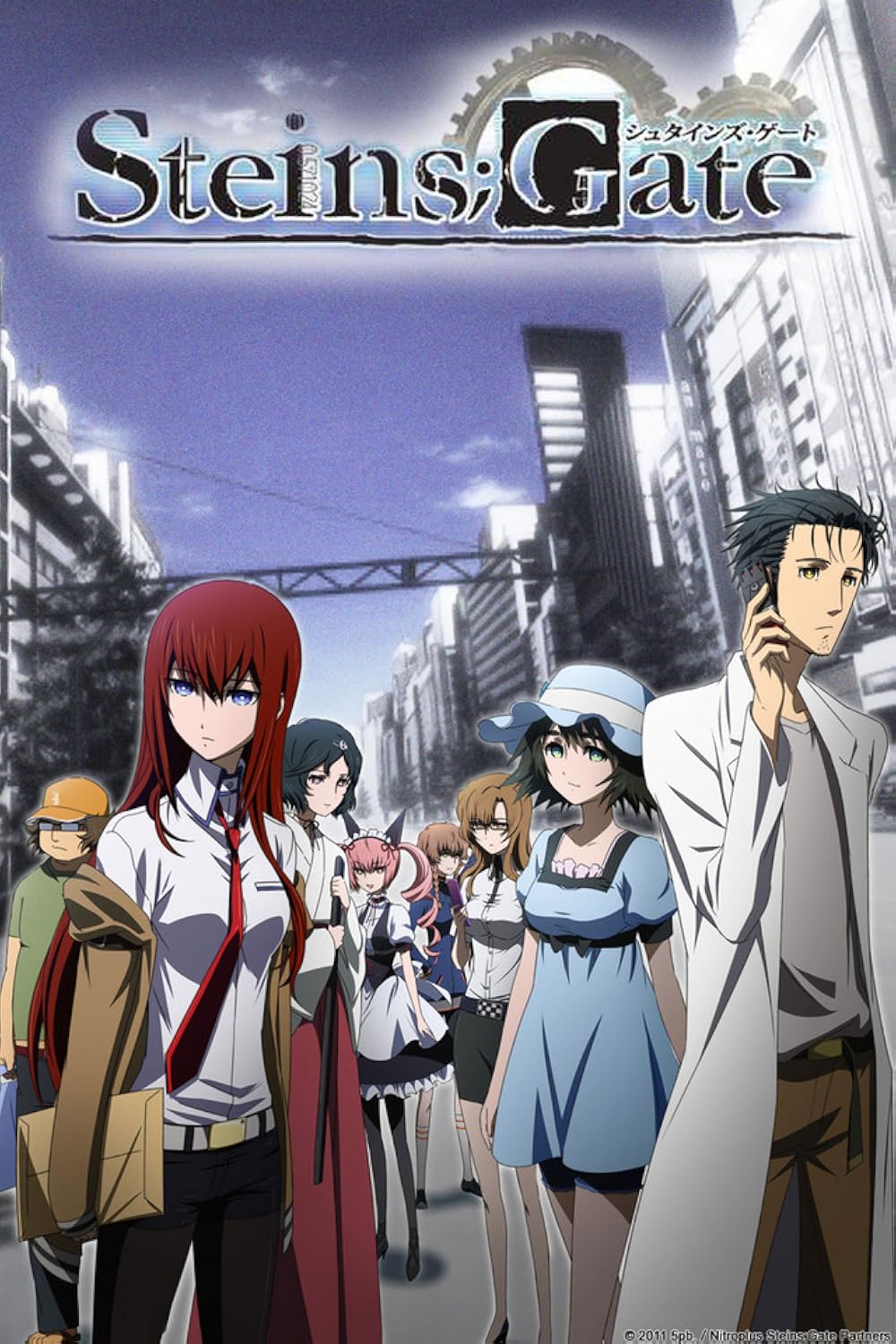
Steins;Gate poster artwork
07

Steins;Gate

Anime · 2011

Age 18 — and it flipped a few weeks of my life

The single biggest emotional impact of anything on this page, and it landed at eighteen, which is presumably part of why. A genuine rollercoaster that turned a few weeks of my life sideways while I was watching it and for a while afterwards.

It earns that by being patient to the point of testing you. It spends a long time as something small and slightly silly, and then the floor comes out, and every apparently pointless thing you sat through turns out to have been load-bearing. It's the best argument I know for finishing something before deciding what it was.

The best argument I know for finishing something before deciding what it was.

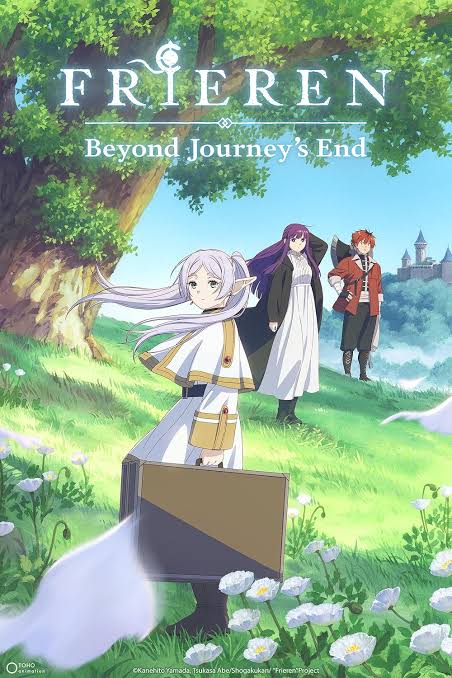
Frieren: Beyond Journey's End poster artwork
08

Frieren: Beyond Journey's End

Anime · 2023

Recent, and it got me

A huge emotional impact, and it does it with almost no volume. The premise is an elf who outlives everyone she travelled with and only afterwards starts to understand what those decades actually were — grief arriving late, as it usually does.

It's a story about time on a scale that makes the usual stakes irrelevant, told very quietly. I did not expect it to affect me as much as it did.

Grief arriving late, which is how it usually arrives.

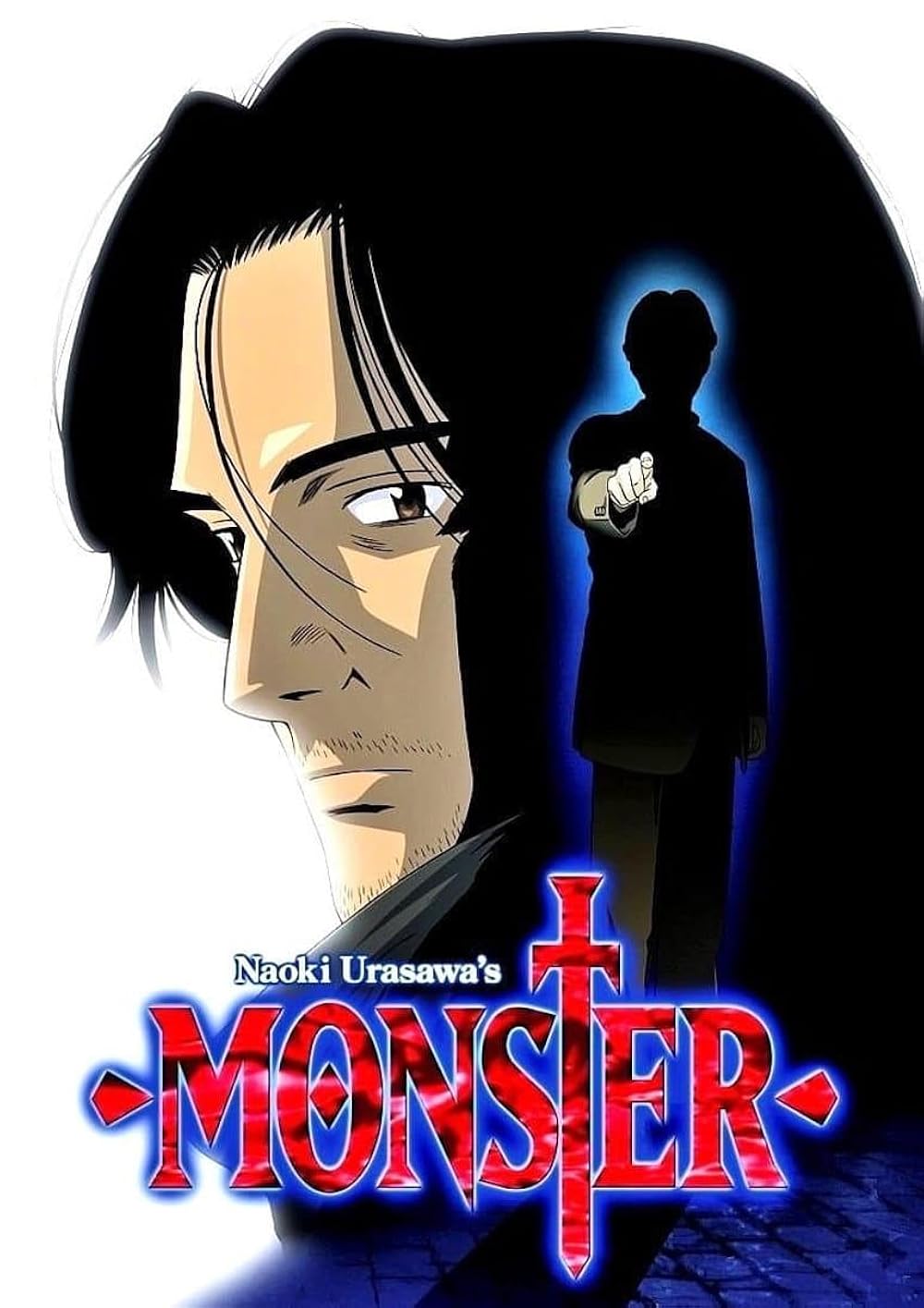
Monster anime artwork
09

Monster

Anime · 2004 · from Naoki Urasawa's manga

The one I see myself in

The show on this page I relate to most directly, and not for the obvious reasons — I'm not a surgeon and my life looks nothing like his. It's how the main character feels and thinks about the society around him. A persistent sense of being slightly outside it, holding a moral position that costs him everything, and continuing anyway because the alternative is being someone else.

What I actually love about it is the craft. The suspense is built rather than sprung, and the character development runs across enough hours that you watch someone become unrecognisable to himself in increments too small to object to at the time. Very few shows have the patience for that.

It's how he thinks about the society around him. That part I recognised immediately.

Death Note anime artwork
10

Death Note

Anime · 2006 · from the manga by Ohba and Obata

Seen it several times, which for me means something

The ultimate back-and-forth strategy warfare. Two people trying to identify each other while each knows the other is trying, every move constrained by rules that are established early and never bent for convenience. It blows my mind every time, and it's one of the few things I've watched more than once.

What I find genuinely impressive is the architecture rather than the story. Someone sat down and worked out a rule system precise enough that the entire plot becomes a logic problem with lethal stakes, then wrote characters smart enough to actually play it. That's a construction job, and you can feel the engineering underneath every episode.

It came from the manga first, and the anime inherits that structure. But whatever the medium, it's the piece of fiction that most directly taught me what strategic thinking looks like when it's done at a level well above mine.

A rule system precise enough that the plot becomes a logic problem with lethal stakes.

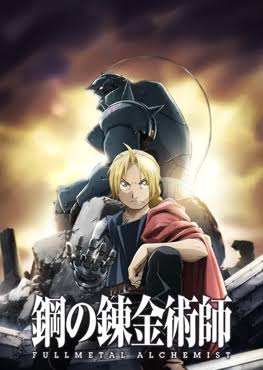
Fullmetal Alchemist: Brotherhood artwork
11

Fullmetal Alchemist: Brotherhood

Anime · 2009

A while ago, and it has not faded

It has been years since I watched this and it left one of the strongest feelings I've ever had from a television show. I'd go further: it is possibly the best story I have ever watched.

Everything is set up and everything pays. The world has rules with a real cost attached, the early episodes turn out to have been laying groundwork you didn't notice, and the ending resolves at a scale the opening never promised. I can't think of another show that lands its full arc that cleanly.

Possibly the best story I have ever watched.

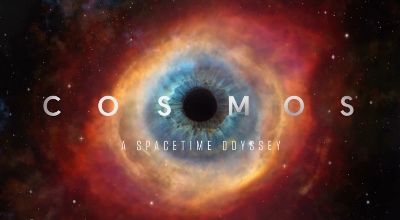
Cosmos: A Spacetime Odyssey artwork
12

Cosmos: A Spacetime Odyssey

Documentary

The one that opened the universe

The thing that opened my mind to the universe as an actual object rather than a backdrop. Scale, deep time, how much is going on that has nothing to do with us — I came out of it with a permanently adjusted sense of proportion.

It's also unusually ambitious for what it is. Most science television explains a topic; this tries to relocate you inside the thing being explained, and it mostly succeeds.

A permanently adjusted sense of proportion.