·8 min read
The Chiang Mai Border Run: Why the Websites Are Wrong
A border run from Chiang Mai, done in August 2026. What it costs, what you bring, and why three agreeing websites still got the day count wrong.
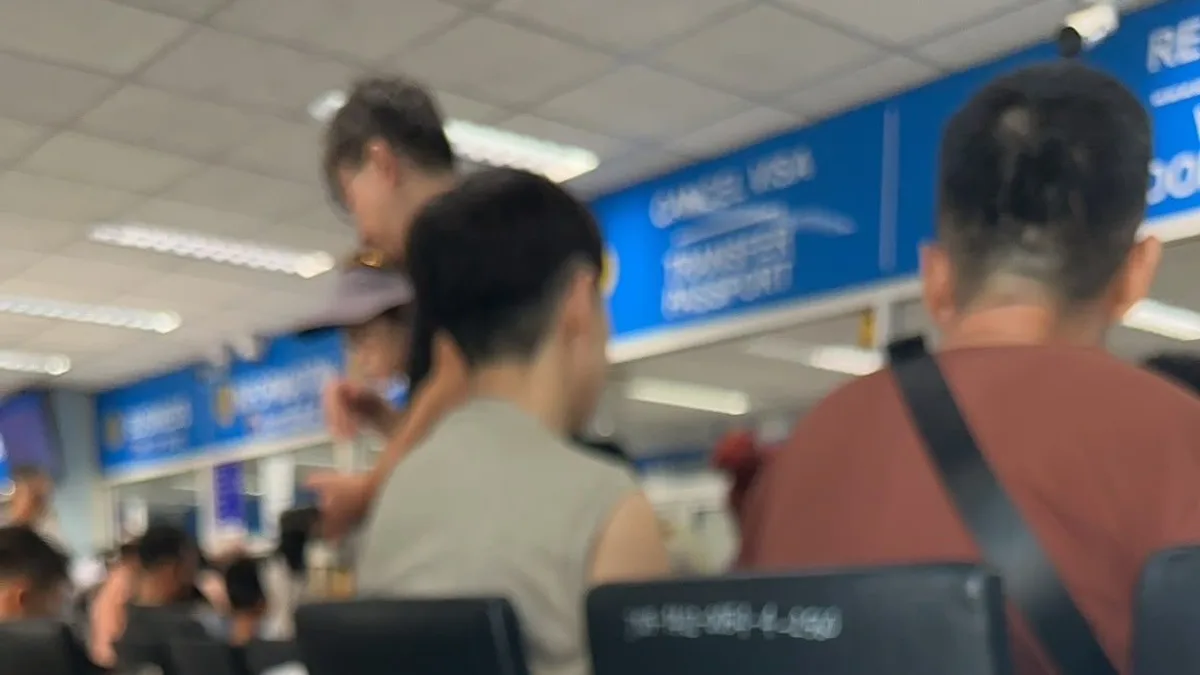
A border run is leaving Thailand and coming back so you get a fresh entry stamp. That is the whole mechanism. You are not renewing anything and you are not extending anything. You are exiting the country and being admitted again as a new arrival.
I did one from Chiang Mai in August 2026, and I dealt with the immigration office as part of the same run of admin. Those are two separate errands with two separate sets of paperwork, and running them together in your head is where most of the confusion starts. Below is what each one actually involved.
Read the date on this page. Thai visa rules change often, and they change without much warning. Everything here describes the position in August 2026. If you are reading this months later, treat it as a starting point and confirm every number before you act on it.

The mistake that costs people the most money
There are two different things people call "a visa," and they are not interchangeable.
A visa exemption is not a visa. You turn up, and you are stamped in for free. There is nothing to apply for and nothing to pay.
A tourist visa is an actual visa. You apply for it before you travel, from a Thai embassy or consulate outside Thailand, or through the official e-visa portal. It costs money and it has a financial requirement attached.
In August 2026 both of them gave the same length of stay, so there was no reason to pay for one. That is the part that changes. A cut to the exemption has already been approved, and once it takes effect the exemption gets shorter while the tourist visa stays where it is. At that point paying for the visa becomes the obviously better move.
So the answer to "which one do I need" depends entirely on when you are asking. Anyone who gives you a permanent answer to that question is guessing.
Why I stopped trusting the websites
This is the part I would actually want someone to tell me.
I found three separate visa websites saying a land crossing gives you a shorter stay than flying, and that it cannot be extended. Three sources agreeing feels like confirmation. It is not.
The operator who runs the border trips told me the opposite, and he was right. He watches his customers get stamped every single day. The websites appear to have been copying a rule that changed years ago, and they went stale together because they were copying each other rather than checking.
Three agreeing sources can still be one wrong article. That is the durable lesson from this whole exercise, and it applies well beyond visas.
The people worth listening to, in order:
- The immigration officer in front of you, on the day
- Operators and schools who deal with the same office every week
- Official government pages
- Everyone else
Note where visa blogs sit on that list. Including this one.
The numbers, as at August 2026
Two routes out of Chiang Mai, with what each one gets you.
| Route | Stay granted | Extendable | Total |
|---|---|---|---|
| By air | 60 days | Yes, +30 for 1,900 THB | ~90 days |
| By land | 60 days | No | 60 days |
The bus is far cheaper. The flight gets you more days. Neither of those facts settles it on its own.

The metric that actually decides it
Cost per day of legal stay. Not the price of the trip.
This is the correction that changed my thinking. A bus run looked like the obvious budget choice because the upfront number is a third of the flight. But you have to divide by the days you get.
There is a second adjustment that matters more than it looks. Food and a bed get paid for wherever you are in the world. If you are going to eat and sleep regardless, those costs are not really part of the trip. Strip them out and compare only what you spent because you travelled.
Once you do that, the gap between the cheap option and the expensive one narrows sharply. The flight can end up cheaper per day of legal stay than the bus, despite costing two to three times more on the day you book it.
Work it out for your own situation before booking. The answer is not the same for everyone, and it is not the same as the answer you get by looking at the two prices.
The cap nobody mentions until it bites
Visa-exempt entries at a land border are capped at two per calendar year. It resets on 1 January.
That is the thing that makes the cheap bus run a limited resource rather than a strategy. Two trips is 120 days. After that the door is closed until January, and you need a different plan.
Here is the part that unlocks it, and it is the single most useful fact I picked up:
The cap counts free exemption stamps. It does not count entries made on an actual visa.
Enter by land on a free stamp, and it counts against your two. Enter by land holding a real visa, and the cap is simply not relevant to you.
So the moment you hold an actual visa, cheap land crossings stop being rationed. That is a much stronger argument for getting onto a proper visa than the extra days are.
What to bring
Two errands, two lists. Keeping them separate is the point, because almost every list you find online merges them and makes the border look far more involved than it is.
For the border crossing itself:
- Passport
- A photocopy of the passport photo page
That is genuinely it. You get stamped out, and you get stamped back in.
For the immigration office, which is a different building on a different errand:
- Passport, plus a photocopy of the photo page
- A photocopy of every used passport page
- Your most recent 90-day report, and a photocopy of it. An older one is generally fine as a supporting document
- TM30 (the form your landlord or hotel files to register where you are staying)
- A letter from your school, if you are on or applying for a study visa. Mine cost 500 baht
Requirements at the office vary by branch and by what you are applying for, so treat that second list as a starting point rather than a definitive one.
Two practical notes.
I was told I would not need the school letter. I needed it. That is the whole thesis of this page in a single document. The advice was current, it came from people with no reason to mislead me, and it was still wrong on the day. It cost 500 baht to sort out.
So bring the document you have been told you do not need. Carrying a document you do not need costs you a photocopy. Not carrying one you do need costs you the trip.
Photocopy everything before you go. Do not plan on finding a copy shop near an immigration office at 8am.
Things that are true regardless of the rules
The specifics on this page will expire. These will not.
Know your dates before immigration does. The single cheapest habit in this whole area is knowing exactly what day you have to be out by, without having to look it up.
Same-day out and back is the biggest red flag you can wave. If you exit, stay out for a few days. Turning around at the border and walking straight back in is the pattern officers are specifically watching for.
Refusal is not binary. An officer can admit you for a shorter period than the maximum, or decline the extension while still letting you in. It is not simply yes or no, and that range of outcomes is worth planning around.
Pattern matters more than any single incident. One administrative slip is noise. A run of them reads as somebody who does not manage their status, and you are dealing with the same office for years.
Do not build a life on the cheapest stamp available. Border running is a bridge. It is not a way to live somewhere. The upfront cost is low and the ceiling is low with it.
What I would tell someone about to do this
Ask the operator, not the internet. They deal with the border daily and they have no reason to tell you a rule that stopped being true in 2019.
Work out cost per legal day before you book anything.
Assume the cheap option is finite, because it is.
And write the date on whatever you are reading, including this. The rules here move faster than the content written about them, which is exactly how three websites end up agreeing on something that is no longer true.